

We focus on Quality
and Consistency
Uster Classimat Testing
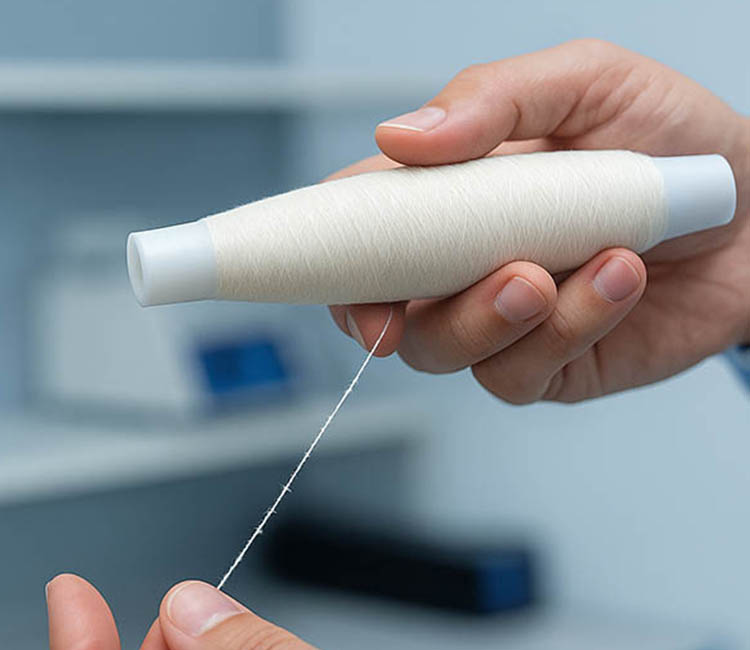
- What is Uster Classimat Testing?
Uster Classimat testing detects and classifies defects in yarn, including contaminations, thick-thin variations, foreign fibers, and neps.
- Why This Test Is Important?
- Prevents knitting and weaving faults
- Detects foreign fibers (PP, hair, plastic)
- Ensures export quality compliance
- Improves yarn clearing
- Reduces dyeing faults
- Parameters Measured in Classimat
- Long Thin Places
- Long Thick Places
- Slubs
- Neps
- Foreign Fiber Contamination
- Splices & Cuts
- How Test is Performed?
- Yarn passes through sensor
- Defect is detected, measured, and classified
- Software generates detailed report
Grey Fabric Testing

- What is Grey Fabric Testing?
Grey fabric testing checks physical and structural quality before finishing/dyeing.
- Main Tests
- GSM
- Width
- Course/Wales (knits)
- Spirality
- Bursting Strength
- Shrinkage
- Pilling
- Why Important?
- Ensures dye pickup uniformity
- Helps in GSM planning
- Controls shrinkage
- Improves knitting performance
Dyed Fabric Testing
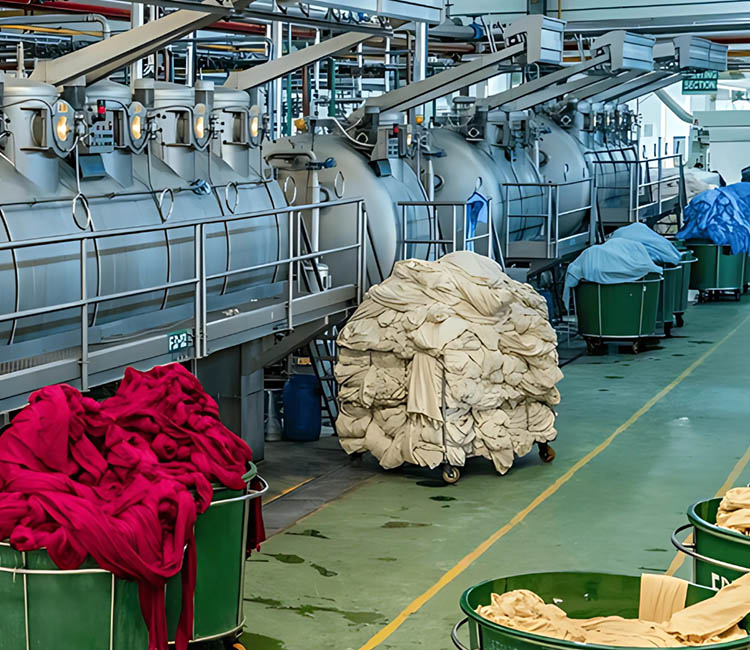
- What is Dyed Fabric Testing?
Dyed Fabric Testing evaluates color durability (colorfastness) against everyday conditions like washing, rubbing (crocking), light, and perspiration
- Tests Performed
- Color fastness (wash, rub, light, perspiration)
- Shade variation
- pH level
- Dimensional stability
- Appearance after washing
- Why Important?
- Ensures garment quality and customer satisfaction
- Shade matching
- Prevents color bleeding
- Meets compliance standards
AFIS (Advanced Fiber Information System) Testing
Neps
Total nep cnt
Count of all neps in a sample (fiber and seed coat)
Total nep mean size
Average size of all neps (fiber and seed coat neps) counted in microns
Fiber nep cnt
Count of all fiber neps
Fib nep mean size
Average size of all fiber neps in microns
SC nep count
Count of all seed coat neps
SC nep mean size
Average size of all seed coat neps in microns
Length
L (w)
Average fiber length by weight of all the cotton in the sample
L (w) CV%
Variation of the fiber length around the average, expressed as length variation by weight or CV%
SFC (w) %
Percent of all fibers in a cotton sample that are shorter than 12.7 mm (0.5 in.) by weight
UQL (w) %
Length by which 25% of all fibers by weight exceed in the cotton sample
L (n)
Average fiber length by number of all cotton fibers in the sample
L (n) CV%
Variation of the fiber length around the average, expressed as length variation by number or CV%
SFC (n) %
Percent of all fibers in a cotton sample that are shorter than 12.7 mm (0.5 in.) by number
5% L (n)
Length of the longer 5% of all fibers in a cotton sample
Maturity
Fineness
Calculation of the fineness of the fiber based on the form of the fibers
Maturity ratio
Calculation of the maturity based on shape and related to the cell wall thickness or Theta
IFC%
Percentage of all fibers in a cotton sample that have a cell wall thickness covering less than 25% of the full area
